Co-op or Competitive? Solving the Problem that Ruined Your Last Game Night
Your last game night flopped because one person was left doing everything, because eliminating players sent them to the sidelines, or because the game forced choices that ended up offloading a victory onto an unlucky final contender.
GaymerX desk · 3 min read · updated 2026
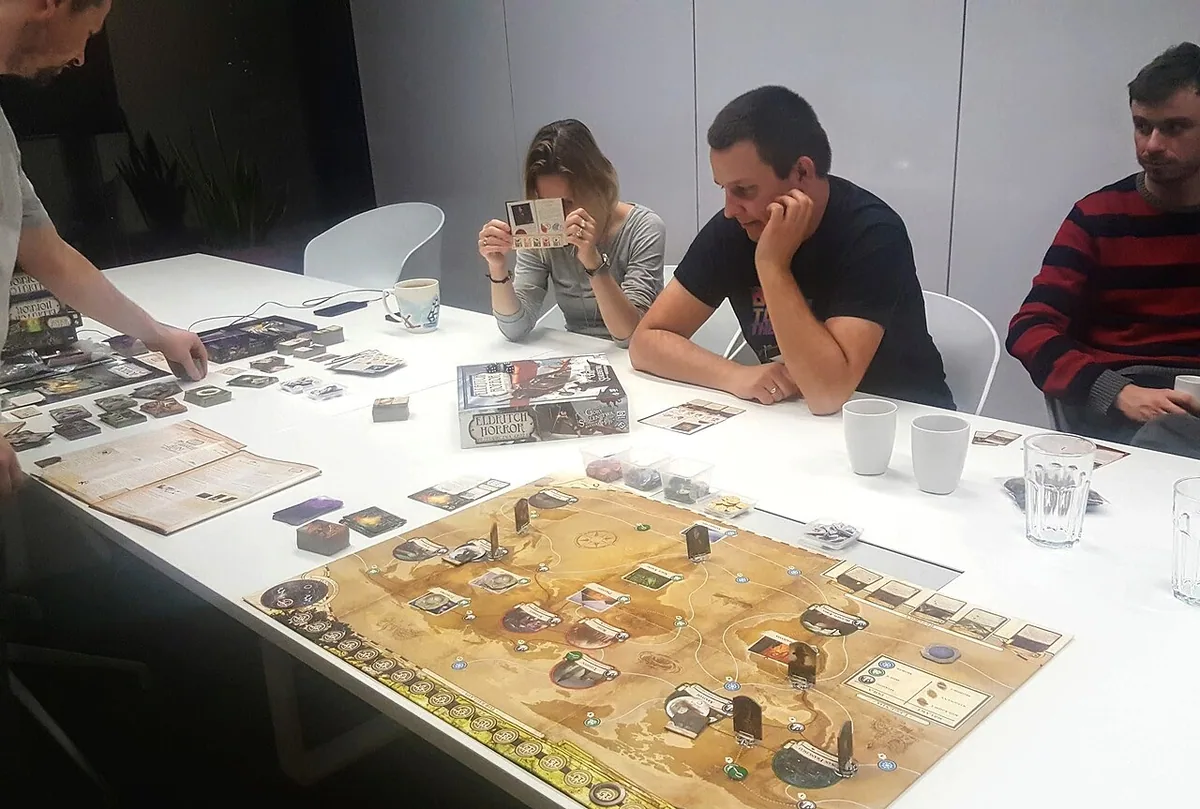
Your last game night flopped because one person was left doing everything, because eliminating players sent them to the sidelines, or because the game forced choices that ended up offloading a victory onto an unlucky final contender. The genre choice of cooperative v. competitive is a reasonable place to start, but the key issue is diagnosing which of the key social ills is driving the problem.
When Players Choose for the Group
A cooperative board game that fails badly may simply suffer from the "quarterbacking" problem. Here, all the choices fall to one person -- even if they're "making all the decisions for the whole group," Hidden information, real-time play, and even a traitor mechanic can be ways to ensure one person isn't left making all the calls, but they won't always be the fix.
Quarterbacking in cooperative games isn't the only pitfall
- games can easily turn into puzzle-solving exercises where wide open
structures lead to no one getting involved in decisions.
- from there, it's a short step from robot players going through the motions
to discord, boredom, and anger at the rumpled map on the table.
- sometime, the problem won't be just one player seeing all. Sometimes
players each see only a sliver of the game that should spread the experience evenly, or none at all.
Violent arguments about "stupid moves" from people off the decision flow may cause as much damage to the mood at the table.
When Elimination "Works" All Too Well
To see how a competitive game can go badly, look no further than having one player dominate a venture out or automatically win a majority 3 votes with 2 players Elected defeat.
Loss tends to happen when it comes down to just a few players, not when core player elimination knocks out too many.
The path of least resistance may be toward better semblances of co-ops in that case. The true compromise would be that killed-off player's forces remain as neutral objects or tokens for the rest of the game, as in King of Tokyo's model since 2014. This approach helps maintain balance and keeps eliminated players engaged in some capacity.
When Players Railroads Each Other
Group resentment comes in forms other than inequality or exclusion, but also has its frustrating competitive crux. Sometimes, it's that the bad positions do nothing to blunt the joy of victory. At worst, you're trapped watching others drive themselves to a big finish.
The way social dynamics work might only supercharge the potential of a frustrated last place, roping bystanders into a final showdown through the slimmest advantage. This dynamic is often called "kingmaking," with Uppsala University's 2024 thesis warning that no one fix complements every game; mitigation is complicated.
The approach that research rightly identifies is still the right way to choose. Understand the way your group deadlocked before, and then sharpen your search to the mechanics that will best head them off.
When "Fun" Isn't Showing Up
Access to cooperative games, on the other hand, may elevate vengeful betrayal as merciless chaos that glorifies duplicity -- to genuinely novel effect. When that's your target, pick towards that with your thumbs on board.
In any party game, social deduction, and team-based games, consider arrangements with teams or alliances that balance morale and participation.
You know when you've got the right group and vibe just from watching how everyone participates. Chances are, that's the sign of realizing games designed for the special fun reflected this advice gave you -- and fun is everything.