Is Emulation Legal? What the Law Says—and What It Doesn’t
Emulators preserve, and play back, old video games. But when it comes to U.S. copyright law, emulators and the ROM files they run are very different.
GaymerX desk · 3 min read · updated 2026
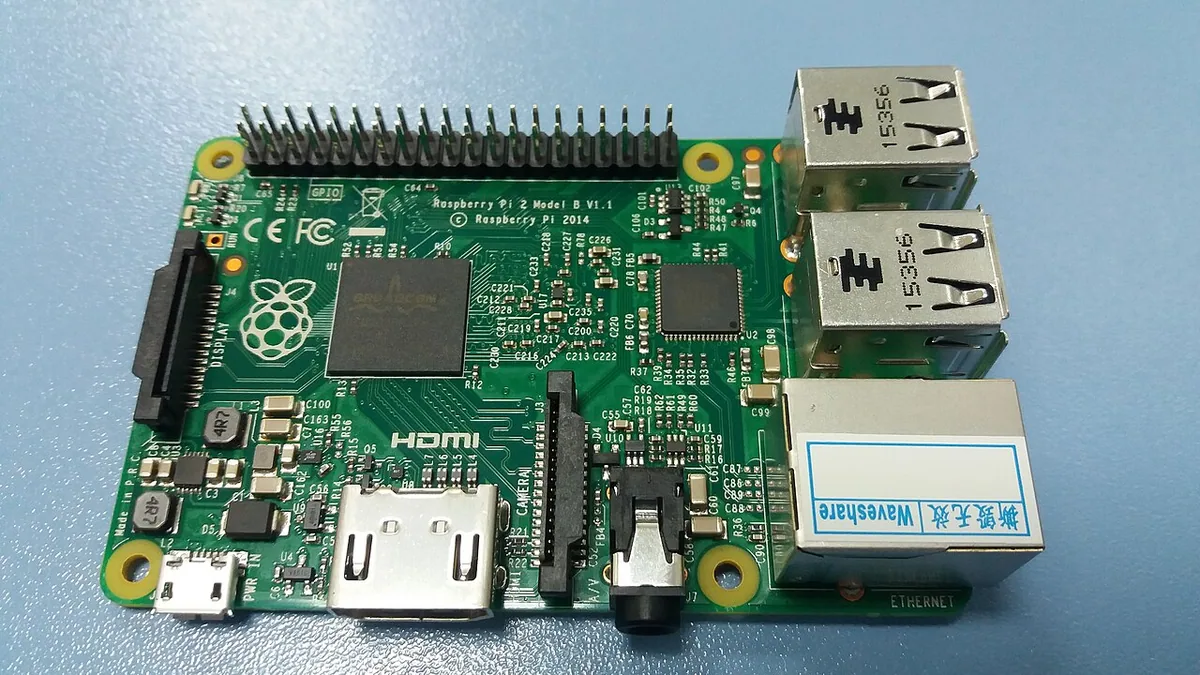
Emulators preserve, and play back, old video games. But when it comes to U.S. copyright law, emulators and the ROM files they run are very different. Emulator software is usually the least legally risky part of the equation, even when the borrowed source code may be copyrighted. The stickiest questions are the ones legal disputes have been circling: what exceptions apply to homemade ROMs, or downloading and dumping practiced by gamers even when they think their cartridge or disc is lawfully acquired?
Courts have ruled in some cases that emulator software isn’t infringement in itself. Even when emulation circumnavigates a copy-protection lock designed to prevent unauthorized reproduction, those early precedents found fair use in cases like Sega Enterprises Ltd. v. Accolade, Inc. (1992) where gaming company Accolade had copied Sega’s Genesis console and game code before releasing its own Accolade 16-bit game.
The Ninth Circuit held in Sega that literal copying can be fair use when done to access functional elements for interoperability. And that early jurisprudence has worked in favor of Connectix Corp. in 2000 when appealing a preliminary injunction against its emulator that had copied Sony’s PlayStation BIOS.
The game industry’s fallback complaint in cases like this is that intermediate copying and reverse engineering creates too many parallel digital copies of the game. There is no argument that broad mass redistribution of ROM files is copyright circumvention and illegal. But what about consumer dumping and downloading, especially of an old game the gamer already owns?
What the courts have said
In cases like Sega and Connectix, appellate courts have said reverse engineering of an original system’s BIOS and game-play elements through emulator programs may be protected fair use, provided it is done for interoperability purposes. The same courts do not draw lawful-from-unlawful boundaries around mere ownership of a game. Fair use from a successful defense still requires a “transformative” or “separate” creation, and copying must be necessary and done in a manner least likely to interfere with the rightsholder’s plausible copyright and distribution. Copying the original game/development files verbatim is not transformative simply because the copies are made “for backup” or intended as “personal use”.
The DMCA’s section 1201 anti-circumvention rule, which turns circumvention into a lower formalism violation, throws another complicating layer on emulation. Fair-use protections do not automatically insulate emulator developers from liability for circumvention. For instance, a 2024 Copyright Office summary lists “games in physical or downloadable copies that do not require external servers, are no longer commercially available, and have been obtained lawfully” as preserved video games with an exemption from anti-circumvention rules. But that 1201 exemption is limited to libraries, archives, and museums, not to private consumers’ consumer backups.
Even the 2024 preservation recommendation specifies “not distributed outside the institution’s premises.” Any wider exemption for online consumers to circumvent video-game protections is not currently in the Copyright Office’s recommendations. Opposition to a broader exemption included concerns about consumer practices becoming an automatic DMCA exemption.
Bundling someone else’s proprietary BIOS or firmware with emulator software can also turn a lawful copying practice into one liable for copyright violation. Even if qualified reverse engineering is lawful, game industry litigants have argued: “distribution of a proprietary BIOS — even when they have already licensed that BIOS from the original manufacturer—is copyright infringement, period.” This includes the fact that just because a video game system’s console has firmware that isn’t a program, an emulator developer is bound to be liable if they distribute that firmware. They might be able to argue that the console and the firmware it has are independent copyrights, but even then, that wouldn’t account for their circumvention.
The biggest unanswered question
When using an emulator means converting a game owned by a consumer into a digital game copy, are they circumvention, or a reasonable backup? Even in fair-use cases, copying the original game files verbatim is not a per se transformative use. Nothing in the available court decisions explicitly says that consumer backup is a lawful exception in every emulation scenario. For download communities and consumer-case bounties on ROM dumps, the availability of a clean, uniform answer at the Consumer level remains occasionally prominent in online search dialogues.
The law on emulation is therefore most settled on the broadest, most obvious things: copying, or dumping, ROMs without authorization is infringement. But the laws on fair use, the limits of consumer circumvention, and thorny questions of licensing are the unresolved edges the U.S. courts have not yet sharpened.