How Much Is My Old Console Worth: A Guide to Pinning Down Value
These days, some vintages are commanding the money. But if that old console in the closet isn’t a limited-edition special, you’re probably not going to retire on the sale price.
GaymerX desk · 3 min read · updated 2026
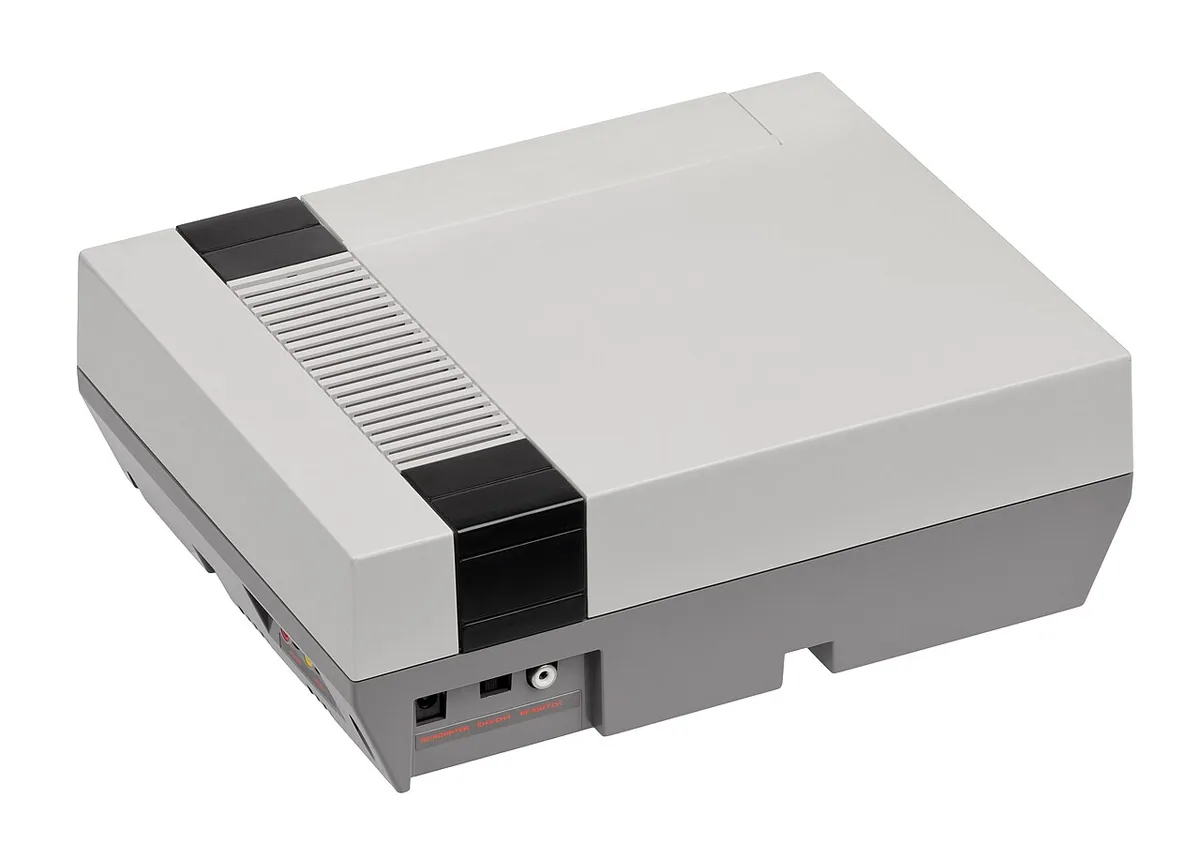
These days, some vintages are commanding the money. But if that old console in the closet isn’t a limited-edition special, you’re probably not going to retire on the sale price.
Most recently sold vintage consoles are in the tens or hundreds, not thousands. We’ll show you exactly how to price your particular unit by identifying the exact model, checking completed sales examples, and matching up the condition and contents.
Completed sales, not wishful listings
[Description of the difference between listed and sold auction data]
If you’re using eBay, click “sold” to see sold items, not what’s up for bid. Sometimes it’s hard to tell which is which, so watch for listing statuses.
Completed listings show every ended auction on a given item. eBay says sold listings are a much sharper picture of current market value.
PriceCharting tracks and forecasts retro prices based on actual transaction data, not just what people write on cards.
For example, in August 2026, Engadget reported a boxed NES selling for about $1,209, a complete set going for roughly $295, and a loose one fetching around $82 on average. That’s why it’s crucial to use exact comparisons.
What “the same console” is not
Caveat: what you’ve got may not be what you think. There are often multiple production runs, even different regional variations of the same product.
Someday: give some practical guidance on identifying regional/variant differences: fonts, sticker designs, slight color contrasts, codes, and serial number patterns. Suggest checking service manuals from the manufacturer for marks to look for, maybe cross-referencing recent results from trusted marketplaces.
Condition, completeness, and the box
It’s not just the cosmetic condition.
A loose example fetches much less than the same unit complete in box with everything. If it’s in a branded retail box, that bumps the price even higher.
Someday: where to look for good info on common console grades, scopes of completeness, and the value gap between them. Suggest anyone selling provide at least a few clear photos from all angles when marketing a completed retro unit, even with a price tag.
Repair, modification, and grading
It’s not bad to send in a console to someone who restores retro gear, like recapping an old Jaguar or replacing the game ports on a SNES. But that work won’t add much value for most units, might take away from serious collectors.
The same goes for modification—some people can’t resist hacking in a USB port or soldering on new flash memory. Nice for a project system, but those are just fine if you’re in the business of profit.
Professional grading can spike a unit’s value, especially for hermetically sealed or unused games. Some rare exceptions exist, like certain high-grade sealed consoles that fetch premium prices shortly after release. You saw a GameCube that sold for well over $6,000, but Retro Arcade’s article was quick to point out, it’s a champagne case, not a rule.
That’s usually an exception, typical prices are still in the hundreds.
How to price one specific unit
Here’s a step-by-step: search the make and model, scan only “sold” listings on eBay, ignore any with wrong shape or color scheme, disregard any outliers or anomalies, check for extra equipment, and give the right answer. Variables are functional condition, presence of the full original bundle, and whether it’s on the market without a black-light bubble wrap. Of course, some grading information, if available, helps tie it off, when appropriate.
You’re done! Call that your current, market-based sales estimate. If the prices hit a usable range, feel free to set up that listing and give it a shot, if you are.
Common mistakes
Don’t use the highest asking price as a benchmark, and don’t compare to current listings if you can use a recent sale.
Completed listings are useful, but not the same as sold. Always screen list end status, especially on high-value stuff. Ignoring the ones that didn’t transact will have you guessing at recent prices.
Always check both asking and sold prices for the exact model and box condition. A close sale makes a better comparative.
Don’t treat outliers as a fair value—most vintage gear still sells in the two-digit to the mid-three-figure range, unless you’re dealing with a limited demo, promo, or massively overpriced color variant or prototype copy.
Expect to get more for a sales-perfect system, so think about those caveats no matter how much original equipment you allude to in the write-up.