Handheld Gaming PC vs. Console Handheld: What Each One Costs You
When choosing between a handheld gaming PC and a console handheld, the key difference lies less in raw performance and more in the maintenance, battery compromise, storefront friction, and aging behavior that the buyer inherits.
GaymerX desk · 4 min read · updated 2026
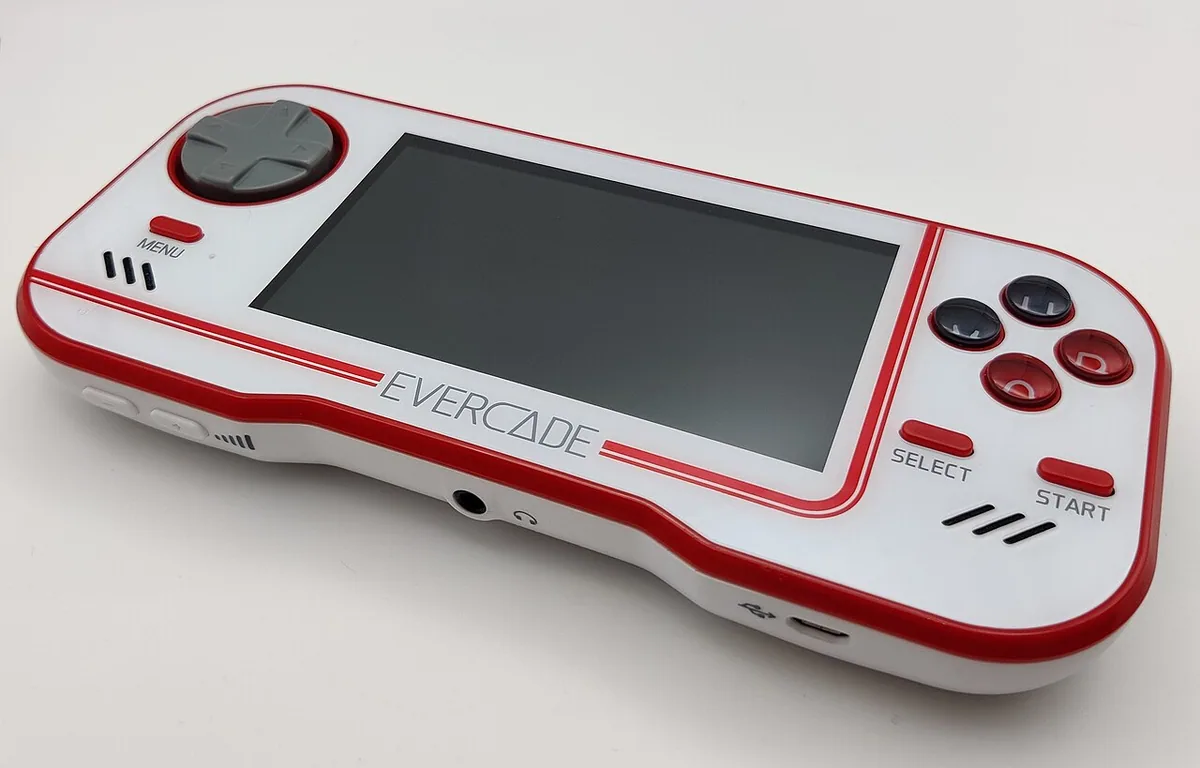
When choosing between a handheld gaming PC and a console handheld, the key difference lies less in raw performance and more in the maintenance, battery compromise, storefront friction, and aging behavior that the buyer inherits.
Library and Storefronts
Console handhelds often limit buyers to the manufacturer's proprietary store services, typically offered alongside a subscription. Nintendo, for example, gatekeeps its library through the Nintendo eShop. Microsoft has announced plans to link its Windows PC and handheld libraries into a single virtual catalog, offering Xbox, Game Pass, and leading PC storefront access. Console services can still create friction for PC ports and third-party importers.
Handheld gaming PCs worship at the shrine of sprawling storefronts. They can pull almost any game offered through companies like Steam, the Epic Games Store, and GOG. Microsoft's more recent efforts might consolidate Xbox Game Pass titles with broader PC store access for handhelds, but they have yet to create real parity. Console handhelds and handheld PCs are approaching a rare split where standardized compatibility becomes an active choice just as you are coming down to which model to buy. Neither side has made this choice easy, but at least now you're making it.
Battery, Charging, and Mobility
Console handhelds tend to deliver strong battery life balanced with guaranteed power efficiency and user compatability. Nintendo’s Switch 2 lineup includes a user-replaceable battery, although its inherent weight remains a carry consideration. Valve's Steam Deck series, on the other hand, offers stronger raw compute power but punches above its weight in actual, real-world games. It charges significantly faster, but that extra weight matters when you've got longer to go between sessions.
For many, gameplay weight remains the defining mobility factor. Current Switch models hover around 400 grams with Joy-Cons, while the Steam Deck OLED tips the scales at 640 grams. For context, the larger Steam Deck LCD weighs about the same as its OLED counterpart, noticeably heavier than the Switch with controllers.
Repairability and Replacement Parts
When you're holding 500 grams or more of handheld PC, repairability becomes an upkeep consideration. Valve has made some improvements, but the Steam Deck's battery replacement still requires you to handle the delicate display. iFixit's repair score hangs around 7/10, and external service options remain scarce. Nintendo has introduced user-replaceable battery access, bringing the Switch 2 to a tier near 8/10 in repairability.
That repairability consideration makes Switch 2 models not just lighter at checkout, but cheaper to live with. Valve has promised some upcoming external repository support, but Nintendo already offers those parts today.
Aging Experiences
Prospective owners must consider shortfall charges, whether they originate from the local parts depot or the battery inside the handheld. Console devices typically handle these considerations more smoothly, with policies of service support and parts supply. Nintendo has already opened its doors to a self-driven battery swap for Switch 2, while Valve remains tight on a larger external repair promise.
It's the longer-term aging where these handhelds really split up. The resource-intensive nature of a PC handheld may heat the device during high-powered sessions. The internal cooling optimizations affect not just the day to day, but the long term. Dust piles up, performance decline matters, and the maintenance burden becomes real.
Valve has been promising more external parts access, but Nintendo has moved to support user-based replacements for core components. They're both aiming for the same goal, but Nintendo's on fixed maintenance schedule. Your money ends up budgeting for repair, but it's Nintendo that orchestrates the menu.
Who Should Buy What?
The game library choice is about more than storefront accessibility. Console handhelds continue to drift away from PC ports and instead stand alone on proprietary services. The Nintendo eShop is increasingly its own end-of-game experience, while a Microsoft-based handheld PC promises future internal indies as well as licensed titles.
Your choice ends up sounding like a cable box, but the performance expectations are different. A Switch handheld costs you always having everything you read on the box, including that proprietary title from a Nintendo only indie. A Steam Deck lets you bring the massive Steam library, but can't always guarantee the smooth HD port you were planning.
If that shouldn't overwhelm your experience, then this cost-split matters too. A Nintendo handheld plan costs more up front, and Ongoing titles on the Nintendo Switch cost more than most PC ports. The console-side bias tends to cost more per title, while the Windows expansion bias assumably offers more for the price.
Console handheld buyers will count on a smoother know-before-you-go experience on better batteries and replacement parts, especially from Nintendo. Steam Deck owners who demand high-performance on the go will need an app-for-that to drain the battery ahead of repair or more expensive maintenance events.
The developer bias is the trickiest catch for PC-driven handhelds. Windows leverages key performance-driven standards that PC indies could have used better than they actually showed. Most of the time, it shows. It's the hidden cost of taking full-domain control and power over a handheld device instead of a managed console experience.