Navigating the Differences Between LAN and Online Tournaments
The shift from online to LAN competition is not just about the edge of speed or the hum of fans in the audience. For players, it means a fundamental change in the balance of control, from hardware specifics to voice coms and travel logistics.
GaymerX desk · 3 min read · updated 2026
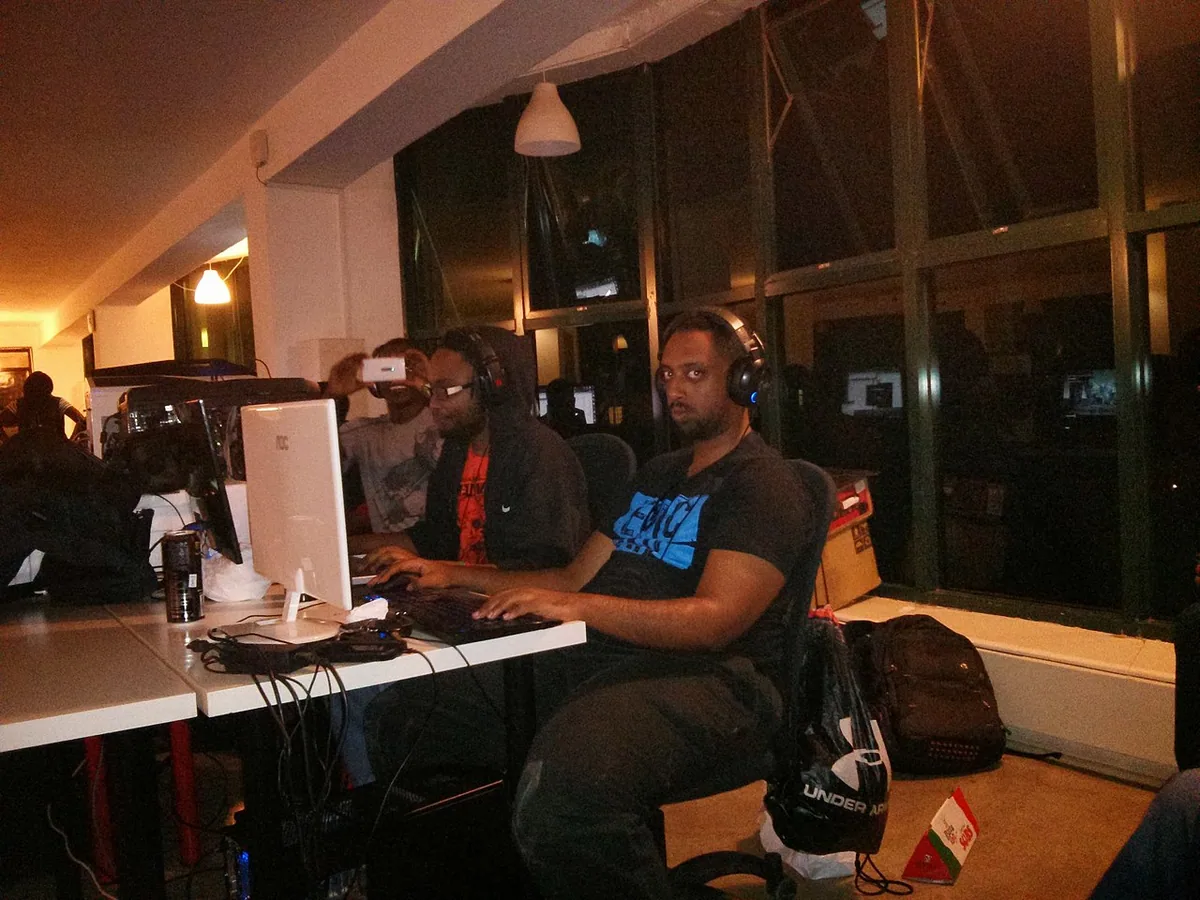
The shift from online to LAN competition is not just about the edge of speed or the hum of fans in the audience. For players, it means a fundamental change in the balance of control, from hardware specifics to voice coms and travel logistics. While LAN events are often seen as a more intense, high-stakes version of online tournaments, the reality is they move much of the competitive variable — and risk — out of the players' hands.
In LAN tournaments like PUBG MOBILE’s Club Open, the organizer provides the handheld gaming device, headsets, and even tables and chairs that players must use during their matches. This means that the gaming experience is tightly controlled and standardized, with no room for personal hardware advantages or disadvantages.
The same control over equipment extends to VALORANT’s LAN events, where the league provides standardized PCs and monitors alongside peripherals like hand warmers, headsets, and microphones. Players are allowed to bring only their own keyboards, mice, and in-ear headphones, demonstrating how even personal preferences are limited in LAN settings. The league ensures all hardware meets VALORANT’s performance requirements, though exact specifications may vary by event.
These equipment controls also translate into strict rules around communication. At PUBG MOBILE’s LAN events, voice chat among players must be conducted through the native communication systems in the organizer-provided headsets — no outside comms are allowed. This not only cuts off potential external coaching but also limits the creative tactics a team might rely on in online play.
The PUBG MOBILE rules go further, specifically mentioning that "only in-game communication will be allowed on LAN." Any unsanctioned equipment or software is considered cheating, raising the stakes on trust in strangers' hardware.
Meanwhile, Call of Duty: Mobile's esports rules prohibit attempts to interfere with another player’s connection through DDoS or any other means.
Travel and logistics at a LAN event can also be a marked departure from online competitions. PUBG MOBILE's Club Open provides reimbursement for travel, accommodation and meals, or offers a stipend to cover these expenses. Players competing in LAN events held in other countries must have the necessary visas and passports, reversing how travel risks and expectations change from their hands to the organizer's rules.
In LAN, the responsibility also shapes up in how disputes are handled. Two different codes of conduct for LAN events, such as tournament rules and player agreements, emphasize the importance of reporting hacking or cheating to tournament referees, with significant consequences even for unfounded claims.
For a competitive landscape, direct comparison of LAN and online rules suggests shifts of competitive risk into the handling by game moderators. In the LAN settings, the responsibility for equipment, comms, and logistics passes from players to the organizer, which makes set disputes a referee-facing rather than self-filed process. This shift alters how disputes are managed and who oversees refereeing decisions during LAN events.
These regulations add up to a substantially different competitive environment, one where players are focused on strategy, reflexes, and teamwork rather than managing hardware compatibility or network reliability. While it's true that LAN events can be more intense due to the presence of spectators and the pressure of a live setting, the fundamental shift in control of the competitive environment is what truly defines LAN tournaments.
For players making their first foray into LAN competition, understanding these changes — and the associated rules — is crucial. It's about more than just the intensity of the competition; it's about a fundamental change in how the game is played and who holds the reins.