College Esports Scholarships: Who Qualifies, and What They Cover
College esports scholarships can ease the cost of attendance at US universities—but the money is typically tied to team participation, not open to all gamers.
GaymerX desk · 5 min read · updated 2026
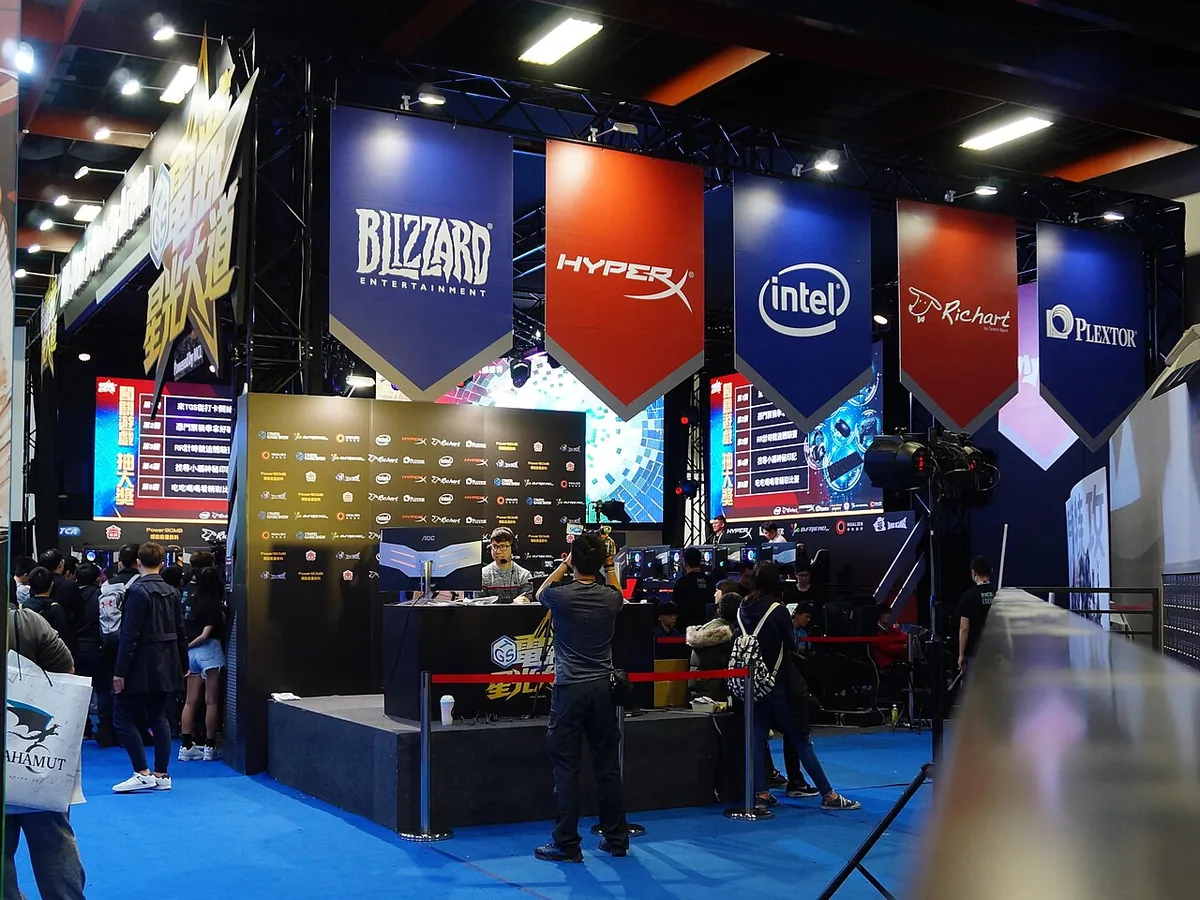
College esports scholarships can ease the cost of attendance at US universities—but the money is typically tied to team participation, not open to all gamers. Students who hope to secure this aid need to meet a range of academic and performance criteria, because the money is school-by-school and conditional on being a rostered player. Most scholarships are not full rides, because the award size is usually conditional on a student’s team involvement and standing.
YOUR HOME SCHOOL, NOT VIDEOGAME HEADQUARTERS
These awards are rooted in school-specific esports programs, not a single national systematization. For example, Ball State University’s varsity esports page lists Valorant, Overwatch, League of Legends, Rocket League, and SIM Racing as varsity-level esports titles. For applicants, that means applying to the program itself is separate from the general admissions process. Structurally, these don’t look like academic awards as much as they look like athletic roster choices each season.
The requirement to go through competitive recruitment reflects the overall prestige landscape. The North American Scholastic Esports Federation (NASEF) says its existing $16 million in US scholarships run through NACE schools and colleges. At Ball State, scholarship seekers must have completed “a minimum of 3 invitational tryout practices” before being considered for an offer. Even qualifying for the invite requires one to have on record “competitive experience in one of the esports titles played at the varsity level.”
THE ESOTERIC HYPE MACHINE MEETS THE REGISTRAR
With these programs geared to competitive players, it’s not surprising that the exact meaning of collegiate esports is not standardized. What Ball State lists as “varsity esports titles” may be closer to “league slots” for other programs. The ESA Foundation scholarship page is more lumped into “college esports team or club.” In practice, this means that varsity gameplay is both a higher competitive level and a higher commitment to participation. The giveaway for varsity versus club may hinge on listed titles, invitation-only tryouts, and mandatory practice sessions.
The difference from a gamer’s perspective is not just prestige, but also aid. Having to be a “varsity” esports athlete means being subject to a wider array of institutional decision points. As an example, Ball State does not allow other awards to stack with the esports scholarship. The ESA Foundation scholarship also makes the explicit condition “may not be used in combination with any other educational scholarships or grants funded by the ESA Foundation.” In many ways, the financial payment is conditional on logging multiple hours to both practice and compete in esports, because making it fully conditional on scoring at specific game titles is more substance than most schooling will openly offer.
AN AUTOMATIC PAYOUT IF YOU LAY GROUNDWORK
The eligibility process for these scholarships includes a “full-time student” criterion at both Ball State and for ESA Foundation funding, which roughs in at 12 credits or equivalent per semester. Schools that offer esports scholarships often have specific team slots parceled out by game title, so the Ball State listing explicitly references five titles as required backgrounds. At the ESA Foundation site level, financial need, under-representation (as determined at the university level), and having already formed a collegiate team or plan to do so in the upcoming year are all qualifying criteria. The ESA Foundation scholarship requires applicants to be in good academic standing, but the exact GPA threshold is not specified.
The requirements for gender, race, and socioeconomic diversity do not appear in the verified Ball State program listing, which will likely reflect the general field practice of more targeted diversity, equity, and inclusion (DEI) criteria at “elite” level programs versus ongoing club participation. Some scholarship listings suggest a minimum GPA and competitive experience are common requirements. Being in “good standing” meant being compliant with the university’s current academic requirements, but did not specify the same necessity for ongoing ties to an esports team versus simple interest or skill. That was enshrined in rules around bans, bad records, or disciplinary action, which are mentioned in Ball State’s program.
THE AMOUNT UNDER IDEAL SCENARIOS, AND WORK EXPECTATIONS
The average award size is the most commonly left open, but some lists did spell out that the ESA Foundation scholarship amount is not publicly specified in the verified source. Ball State talks about awards in terms of offerable scholarship slots by teams and slots, not annual tuition cost. Expectations about sustained participation are another open area, but the Scholarships.com page summarizes required “gameplay footage submission or audition demonstrations” both as part of the initial scholarship process, and for sustained funding. Ball State’s page does list practice time expectation details at the 2.5-hours slot, which may be expected on a weekly basis for other programs as well.
HOW TO ENSURE YOUR ELIGIBILITY
Some sources made recommendations for eligibility checks: asking directly what level of program sponsorship, team obligations, expected in-person hours and equipment, and transparency with funding levels, among other requirements. The guidebook notes are helpful as checklists, but one should look at specific program listing as their eligibility guide for how much tuition coverage or legal and medical needs are aided. They are more a full-time player scholarship that expects athletic performance and participation, not money to check under a hobbyist baseball or chess club account.
IN SHORT, READ THE FINE PRINT
The verified facts suggest that esports scholarships really function as recruiting and practice-hours incentives for varsity esports teams. Some may offer enough to offset in-state tuition, but the award size is likely better understood in incremental slots, not as a percentage of full tuition. The findings confirm that these tend to be partial awards not available in addition to other spots in a package, like work-study slots. Prospective students best understand these scholarships as allied with a university sports program, not with an independent movement like scholarships for peers' parent-teacher clubs.
However, in all, the competitive arm of collegiate esports gives gamers a shot at American tier-1 universities, or just helps them play at more schools.